Industries Data Centers

Data Center Liquid Cooling & Water Filtration Solutions

Application-specific filtration solutions for cooling towers, facility-water systems, coolant distribution units, technology-cooling systems, water pretreatment, and system startup.

Filtration Engineered for Each Cooling Loop

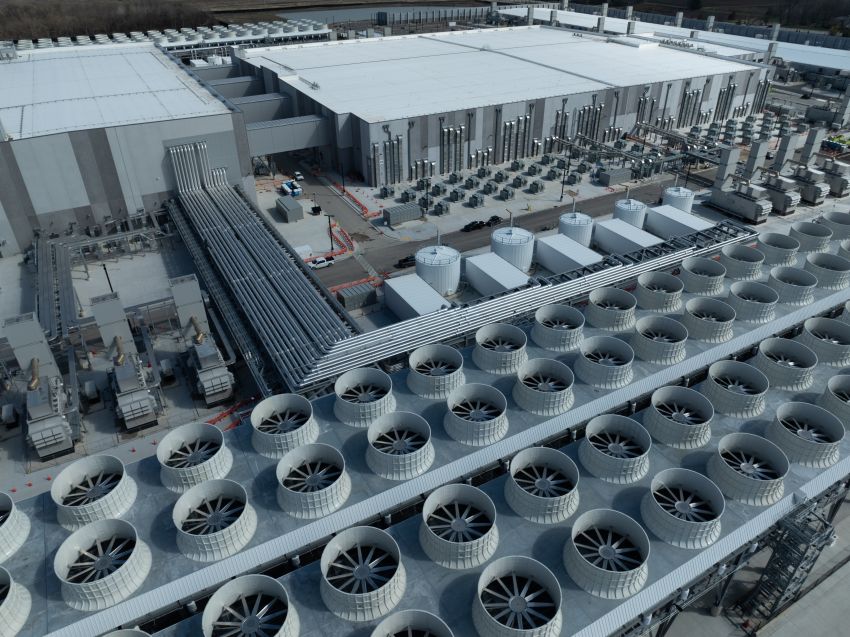
Data center cooling infrastructure may include cooling towers, condenser-water systems, chilled-water loops, facility-water systems, coolant distribution units, and technology-cooling systems. Each loop has different fluids, operating conditions, particle-control requirements, and pressure-drop limitations.

Effective filtration begins by identifying the equipment being protected, the smallest fluid passages, the type and concentration of contaminants, the water or coolant chemistry, and the allowable differential pressure.

Strainrite works with data center operators, equipment manufacturers, engineering firms, and service providers to select the appropriate filter media, micron rating, surface area, housing configuration, and change-out strategy for each application.

Key Filtration Applications

01

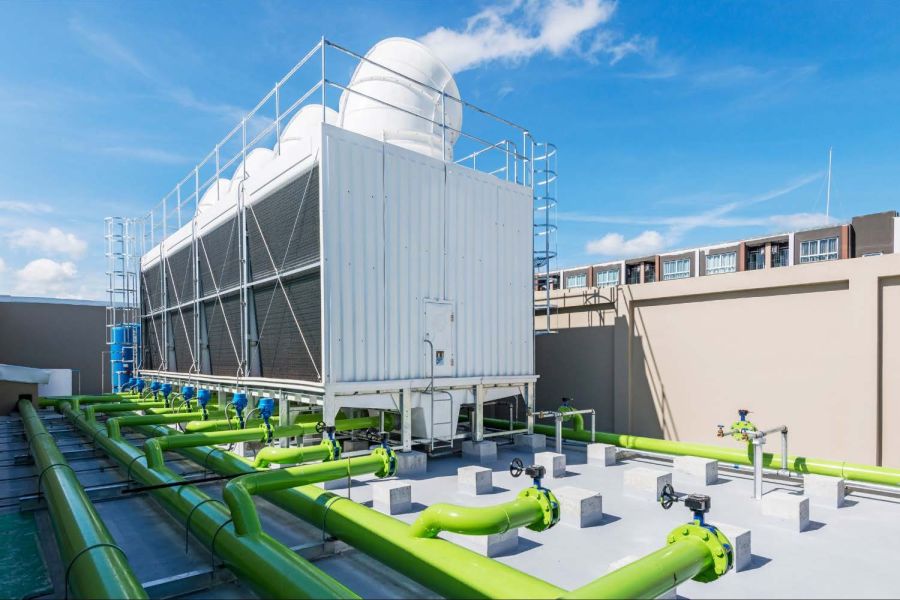
Cooling Towerd and Condenser-Water Filtration

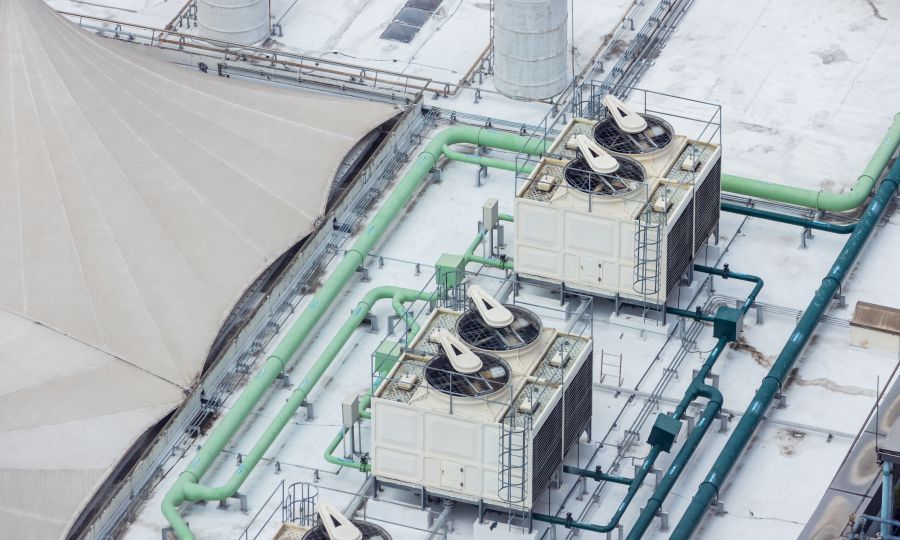
Open cooling towers can introduce airborne dirt, debris, corrosion products, and organic material into recirculating water. Suspended solids can accumulate within heat exchangers, strainers, pumps, valves, and piping, affecting heat transfer and increasing maintenance requirements.

Side-stream filtration continuously treats a portion of the recirculating flow to reduce suspended particulate and support the broader water-management program. It does not remove dissolved solids or replace required scale, corrosion, or microbiological treatment.

Potential Strainrite solutions include:

The appropriate filtration rate and system size depend on the cooling-tower volume, contaminant load, water quality, operating conditions, and treatment objectives.

02

Chilled-Water, Condenser-Water, and Facility Water Systems

Closed facility loops can accumulate suspended corrosion products, construction debris, pipe scale, and other particulate over time. These contaminants may foul chillers and heat exchangers, increase wear on pumps and valves, or collect in areas of reduced flow.

Full-flow or side-stream filtration can help manage the particulate load when coordinated with the system’s hydraulic design and water-chemistry program.

Potential Strainrite solutions include:

Filter selection should account for system cleanliness, particle-size distribution, corrosion-control chemistry, operating temperature, flow rate, and desired change-out frequency.

03

Coolant Distribution Units and Technology-Cooling Systems

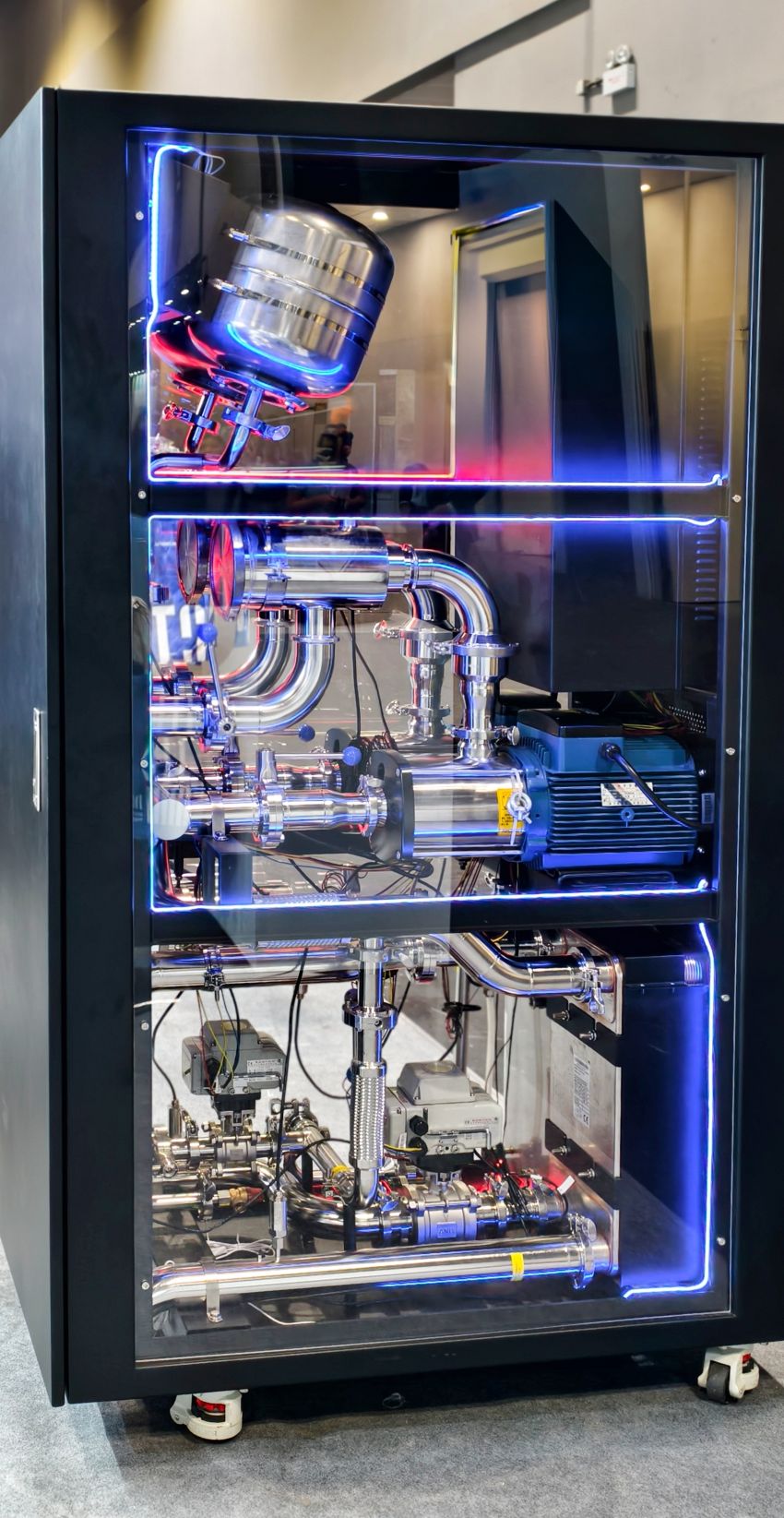
A liquid-to-liquid coolant distribution unit separates the facility-water system from the technology-cooling system serving cold plates and other IT equipment. Although connected through a heat exchanger, the two loops may have very different filtration requirements.

On the facility side, endpoint filtration can help limit particulate accumulation within the CDU’s plate heat exchanger. Product selection should consider plate spacing, flow, facility-water chemistry, allowable differential pressure, and the CDU manufacturer’s requirements.

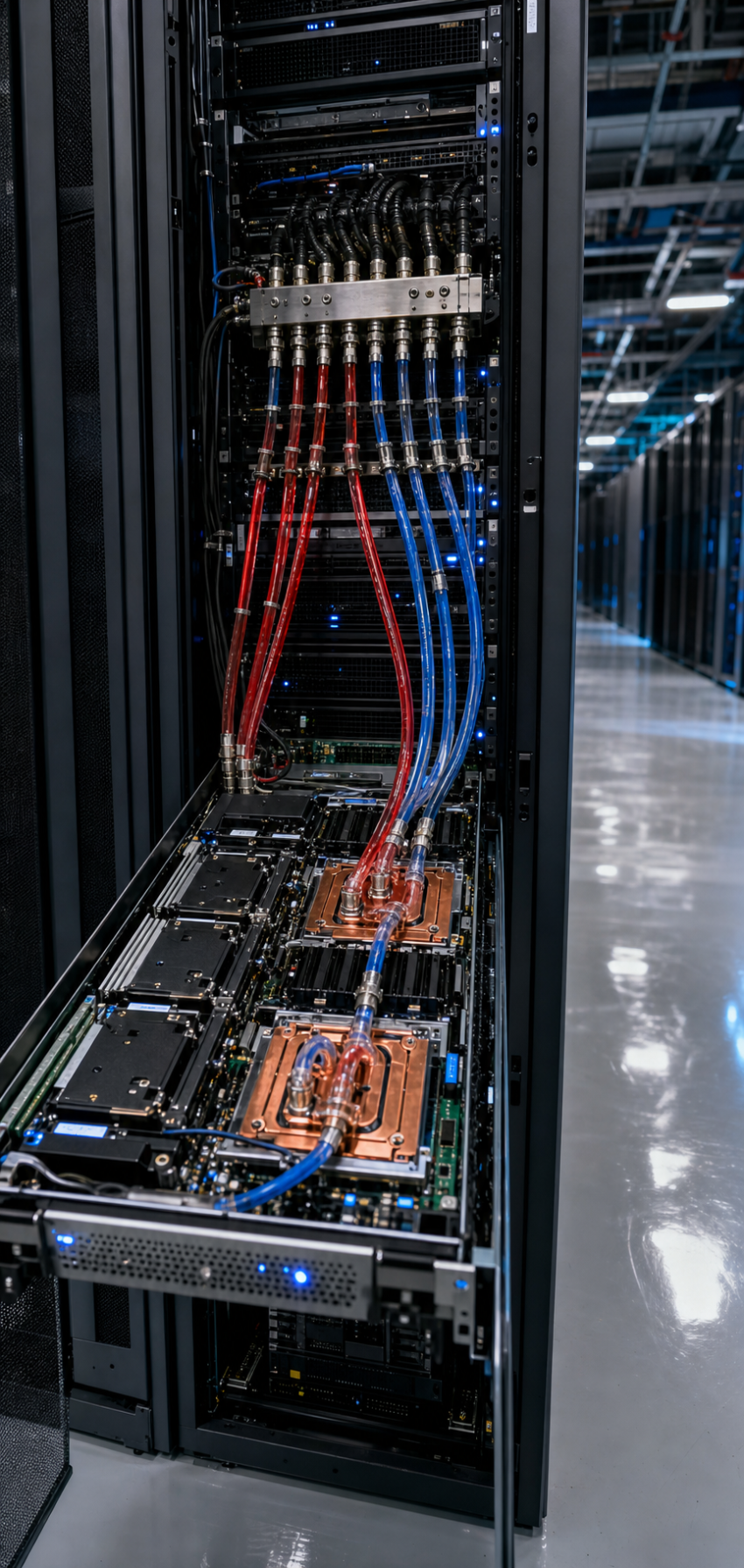
On the technology-cooling side, narrow cold-plate channels, quick-connect fittings, manifolds, and heat exchangers can make coolant cleanliness especially important. Filtration must protect these components without creating excessive pressure drop or interfering with required coolant flow.

Potential Strainrite solutions include:

  • Application-selected large-diameter elements or pleated depth cartridges for CDU primary-side filtration

  • Application-selected Clarity pleated cartridges for finer particulate control within compatible technology-cooling systems

  • MADD-MAXX elements as prefilters or primary filters where their retention, flow, materials, seals, and coolant compatibility meet the system requirements

The final filter media, micron rating, and configuration should be selected according to coolant chemistry, component clearances, flow requirements, allowable pressure drop, and the equipment manufacturer’s specifications.
04

Makeup Water and Pretreatment

Incoming water may require particulate pretreatment before reverse osmosis, deionization, cooling-tower makeup, humidification, or adiabatic-cooling equipment. Effective pretreatment can help protect downstream equipment and reduce the particulate load entering the broader water-treatment system.

Potential Strainrite solutions include:

The treatment approach should be based on feed-water quality, downstream equipment requirements, desired water quality, flow rate, and the other treatment technologies included in the system.

05

Direct-to-Chip and TCS Secondary-Loop Filtration

The technology-cooling system carries coolant from the CDU to cold plates and other liquid-cooled IT equipment. Narrow fluid passages, plate heat exchangers, manifolds, quick-connect fittings, and other particle-sensitive components make coolant cleanliness an important part of reliable system operation.

Particulate can enter the loop during manufacturing, installation, commissioning, maintenance, or the addition of new equipment. Properly selected filtration can help control these contaminants without creating excessive pressure drop or restricting the coolant flow required by the IT equipment.

Potential Strainrite solutions include:

  • Application-selected Clarity pleated membrane cartridges for fine particulate control. A MADD MAXX element may serve as a prefilter or primary filter only where its rating, flow, pressure drop, materials, and coolant compatibility satisfy the system specification.

06

Pre-Commissioning Flushing and Startup Cleanup

New or modified piping systems can contain weld debris, pipe scale, dirt, fibers, sealant, and other construction-related contaminants. If these materials remain in the system during startup, they may accumulate in strainers, plate heat exchangers, valves, quick connectors, and cold plates.

A staged filtration plan can support system flushing and turnover by establishing initial filter ratings, allowable differential-pressure limits, change-out criteria, cleanliness objectives, and the transition to the permanent operating filter.

Potential Strainrite solutions include:

The filter sequence should be selected around the expected debris load, system volume, flushing velocity, component clearances, and required turnover condition.

The Strainrite Advantage

U.S.-Manufactured and Family-Owned

Strainrite has designed and manufactured liquid-filtration products since 1978. As a family-owned, U.S.-based company with manufacturing in Auburn, Maine, Strainrite provides direct access to the people who engineer and build the filtration solution.

Responsive Domestic Lead Times

Domestic manufacturing supports responsive quotation, production, and replenishment. Current lead time should be confirmed for the selected media, vessel, materials, and custom options.

Application Engineering, Not Catalog Guesswork

Strainrite helps define flow, chemistry, temperature, target particle size, clean and terminal differential pressure, vessel arrangement, seal materials, and changeout strategy. Basis-of-design language and application-specific submittal support are available.

Serviceable, Scalable Configurations

The portfolio can be evaluated for point-of-use, side-stream, full-flow, single, twin, duplex, and multi-basket service. Final sizing accounts for the complete hydraulic and operating requirements, not flow alone.

A Liquid Filtration Portfolio Selected for the Application

High-Efficiency Filter Bags

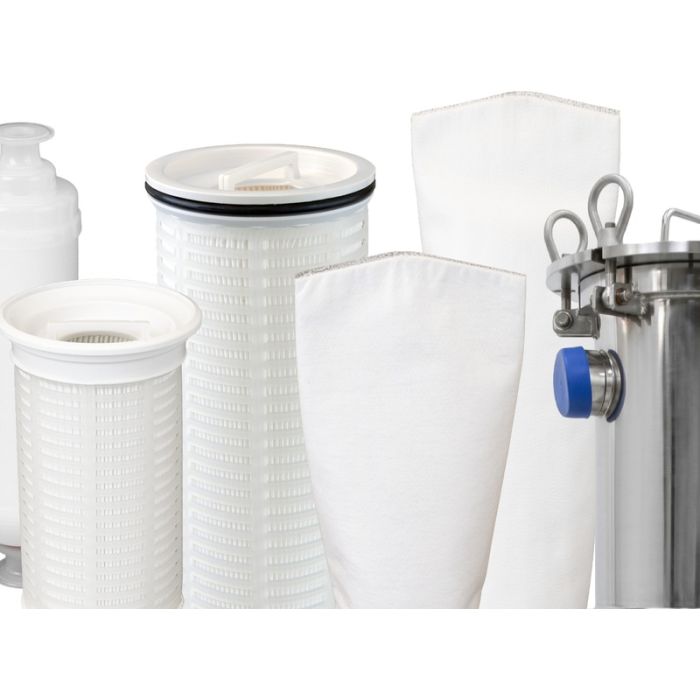
SPMF, Accu-Rite, and Hi-Pro Micro provide layered, high-efficiency, or absolute-rated options for particulate control. Selection depends on required retention, loading, fluid compatibility, and housing seal.

Large-Diameter, High-Capacity Elements

MADD MAXX MF and MADD MAXX GF provide high-capacity, inside-out filtration in application-specific polypropylene or microglass configurations. Media, binder, seal, and coolant compatibility must be confirmed.

Clarity Pleated and Membrane Cartridges

Clarity cartridges and capsules include pleated depth and membrane configurations for fine liquid filtration. The exact cartridge, rating, end configuration, and seal material should be matched to the equipment and fluid specification.

Engineered Housings and Vessels

SRL low-flow vessels, SRID industrial-duty vessels, SRHD heavy-duty vessels, SRMB multi-basket vessels, and cartridge housings support low-flow, single, twin, duplex, and higher-capacity configurations. SRID and SRHD use a radial O-ring basket seal designed to prevent bypass associated with basket movement; operating capacity depends on media, fluid properties, contaminant loading, and allowable differential pressure.

White Paper:

liquid-filtration-cooling-towers-data-centers-hero.jpg
White Paper June 12, 2026

Liquid Filtration of Cooling Towers in Data Centers

Cooling towers are the unsung heroes of data centers, dissipating the heat generated by servers through water evaporation to prevent overheating, downtime, and equipment failure. This white paper explores how liquid filtration protects cooling tower performance, reduces maintenance, and supports long-term efficiency and sustainability.

Read White Paper