Liquid Filtration of Cooling Towers in Data Centers
Why clean water is essential to keeping data center cooling systems reliable, efficient, and sustainable.
Overview
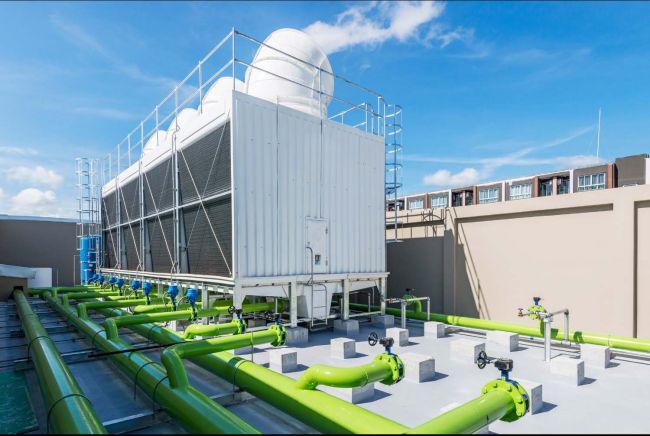
Cooling towers are often overlooked in discussions about data center infrastructure, yet they are critical to maintaining optimal operational conditions. These systems help remove heat from servers and other equipment. This is important to stop overheating and keep data center operations reliable.
The quality of the water used in cooling towers significantly influences their efficiency. This is where liquid filtration comes into play. By removing impurities and contaminants from the water, filtration systems enhance the performance and longevity of cooling towers.
In this article, we will explore the intricate relationship between liquid filtration and cooling tower efficiency. We will discuss the various types of contaminants that can affect cooling systems, the filtration processes that mitigate these issues, and the benefits of investing in high-quality water treatment systems.
The Critical Role of Cooling Towers in Data Centers
Cooling towers are essential for maintaining the ideal temperature in data centers. They dissipate the heat generated by servers and other equipment, preventing overheating.
Without effective cooling, data centers face risks of downtime and equipment damage. This is because excessive heat impairs performance and leads to system failures.
Data centers generate immense amounts of heat, and operators must manage it efficiently. Cooling towers mitigate this heat through the evaporation of water, which is a key process in temperature control.
However, the effectiveness of cooling towers depends heavily on liquid filtration systems. These systems ensure water quality, which is vital for optimal cooling performance. Without proper filtration, contaminants can accumulate, disrupting efficiency and causing potential damage. Thus, incorporating robust water treatment systems is paramount for sustaining data center operations smoothly.
Understanding Liquid Filtration in Cooling Towers
Liquid filtration in cooling towers plays a vital role in maintaining efficiency and reducing maintenance issues. It ensures that the water used within the towers remains clean and free of harmful contaminants.
These filtration systems remove impurities that can lead to scaling, corrosion, and biological growth. Such conditions can drastically reduce the lifespan of cooling tower components, leading to increased operational costs.
Effective filtration systems can improve energy efficiency by maintaining optimal water quality. Clean water translates to smoother operations, as the equipment does not have to work harder against accumulated dirt and debris.
Ultimately, investing in robust liquid filtration is not just about maintenance; it's also about efficiency and sustainability. With proper water treatment systems, data centers can significantly minimize their environmental impact by reducing water usage and energy consumption. This makes filtration systems a crucial component of modern data center infrastructure.
Types of Contaminants in Cooling Tower Water
Cooling tower water can harbor various contaminants, which can harm system performance and longevity. Understanding these contaminants is important for effective water treatment.
Common contaminants include:
- Dirt and Debris: These can obstruct water flow and reduce efficiency.
- Minerals and Salts: These lead to scaling, reducing heat exchange efficiency.
- Biological Growth: Algae and bacteria can form sludge and cause blockages.
These substances not only reduce the efficiency of cooling towers, but they also increase the risk of system failures. Each contaminant type requires specific filtration methods to address these issues effectively, ensuring the longevity and reliability of the cooling system.
The Filtration Process Explained
The filtration process in cooling towers involves multiple stages. Initially, water passes through screens or mesh filters to remove large particles.
Next, advanced filtration systems target smaller impurities. These systems may include technologies like centrifugal separators, which use centrifugal force to remove particulates.
Lastly, fine filtration techniques, such as sand filters or membrane systems, are applied. These systems ensure the removal of even the smallest impurities, safeguarding the system from biofouling and scaling.
Each stage of filtration contributes to maintaining high water quality. This comprehensive approach extends cooling tower lifespan and enhances data center operations by preventing unexpected downtimes and equipment wear.
Benefits of Filtration Systems for Cooling Towers
Filtration systems offer numerous benefits for cooling towers, crucial for data centers seeking efficiency and reliability. These systems are not only about maintaining clean water but also contribute to overall operational effectiveness.
By removing contaminants, filtration systems help reduce wear and tear on equipment. Clean water ensures smoother operations and reduces the likelihood of unexpected breakdowns.
The financial advantages are significant as well. Filtration systems decrease the need for costly repairs, extend equipment life, and lower energy usage.
Key benefits include:
- Improved efficiency
- Reduced maintenance costs
- Extended equipment lifespan
- Lower environmental impact
Implementing effective water treatment systems also supports sustainability efforts. By conserving water and energy, data centers can meet eco-friendly targets while maintaining robust operational performance. The investment in quality filtration systems pays off in reduced operational costs and enhanced system reliability.
Enhancing Efficiency and Reducing Costs
Enhancing efficiency in cooling towers is more than just a goal—it's essential. Filtration systems play a crucial role in achieving this by ensuring optimal water quality.
Clean water means less strain on the equipment, which translates to lower energy consumption. As a result, the overall efficiency of the cooling tower improves, contributing to better data center performance.
Moreover, reducing costs is a significant advantage of using filtration systems. With fewer breakdowns and repairs, operational expenses are cut down, making it a smart financial investment. Thus, filtration systems are pivotal in optimizing data center operational budgets.
Additional Cost-Reduction Strategies
In addition to the direct benefits of filtration systems, there are several strategies that data centers can implement to further reduce costs associated with cooling tower operations:
- Energy Efficiency Programs: Implementing energy-efficient practices, such as using variable speed drives on pumps and fans, can significantly lower energy consumption. Coupling these practices with effective filtration ensures that the cooling system operates at peak efficiency.
- Regular System Audits: Conducting regular audits of the cooling system can identify inefficiencies and areas for improvement. By addressing these issues proactively, data centers can avoid costly repairs and downtime.
- Water Conservation Techniques: Utilizing water-saving technologies, such as closed-loop systems, can reduce water usage and associated costs. Effective filtration systems can enhance the performance of these technologies by ensuring water quality.
- Training and Education: Investing in staff training on the importance of filtration and maintenance can lead to better operational practices. Well-informed staff can identify potential issues early, preventing costly repairs and ensuring the longevity of the cooling system.
- Long-Term Contracts with Suppliers: Establishing long-term relationships with filtration system suppliers can lead to cost savings through bulk purchasing and reduced maintenance costs. Suppliers may offer discounts or incentives for long-term commitments.
By integrating these strategies with robust filtration systems, data centers can achieve significant cost reductions while maintaining high operational efficiency. Ultimately, the investment in quality filtration and proactive management leads to a more sustainable and economically viable data center operation.
Extending Equipment Longevity
Filtration systems are vital for extending the longevity of cooling tower equipment. By keeping water clean and free of harmful contaminants, these systems help prevent damage.
Scale formation and corrosion can drastically shorten equipment life. By reducing these risks, filtration systems protect critical cooling components and ensure their durability.
Regularly maintained filtration systems result in long-lasting equipment. This ensures data centers run smoothly without frequent parts replacement, thus offering additional savings. Ultimately, investing in proper filtration leads to robust and reliable cooling tower operations, safeguarding data center infrastructure over time.
Selecting the Right Filtration System for Your Data Center
Choosing the correct filtration system is crucial for optimizing data center cooling efficiency. The right system ensures that equipment operates at peak performance.
Different data centers have unique needs due to varying scales and water sources. Therefore, filtration solutions must be tailor-fit to specific requirements to achieve the best outcomes.
A suitable filtration system not only meets current needs but is also scalable. This ensures it can handle the demands of future expansions. Thoughtful selection is key to achieving long-term efficiency and sustainability goals for your cooling operations.
Key Considerations in Filtration System Selection
When selecting a filtration system for your cooling towers, several factors must be considered. These elements ensure the system's effectiveness and compatibility with data center operations.
Understand your water quality and its specific contaminants. This knowledge guides the selection of an appropriate filtration technology.
Consider the system's scalability and integration capabilities. These aspects are vital for future growth and technology advancements.
Key considerations include:
- Water quality and contaminant levels
- System scalability
- Maintenance requirements
- Integration with existing infrastructure
Lastly, factor in environmental impact. Opt for systems that minimize water and energy use, aligning with sustainability objectives. This ensures not only optimal performance but also compliance with eco-friendly practices.
Maintaining and Monitoring Your Filtration System
Regular maintenance is critical for the longevity of filtration systems in cooling towers. Routine checks ensure everything runs smoothly and efficiently.
Effective monitoring involves real-time data analytics. These tools track performance metrics, allowing quick identification of issues before they escalate.
Preventive measures, such as scheduled inspections, keep systems in top shape. This proactive approach minimizes downtime and maximizes system efficiency, supporting overall data center reliability.
Regular Maintenance and Performance Assessment
Conducting regular maintenance not only prevents failures but also extends equipment life. It's a crucial practice for sustained operation.
Performance assessments help identify any anomalies or inefficiencies. By addressing these promptly, you maintain optimal functionality and avoid costly repairs.
Staff should be well-trained in recognizing system signals. This ensures timely intervention, keeping your cooling towers and filtration systems at peak effectiveness. Regular updates on these practices enhance system longevity and reliability.
Conclusion: The Future of Liquid Filtration in Data Centers
The future of liquid filtration in data centers looks promising with technological advances. New innovations will enhance efficiency and sustainability. As systems evolve, they will offer more precise control and better resource use, ensuring that data centers operate optimally and responsibly. Embracing these advancements will be key for future-ready operations.
Request a Custom Filtration Quote
Get in touch for expert guidance on filtration solutions tailored to your specific application and industry requirements.