Replacing Filter Press with Strainrite’s Madd-Maxx Filters
How a manufacturing facility reduced batch time by 66% and increased product yield by 10-20% by replacing traditional filter press systems with Strainrite’s MADD-MAXX hybrid cartridges.

The Problem

The Solution

Situation
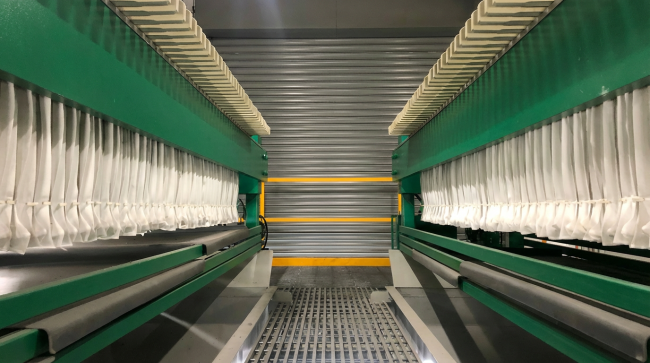
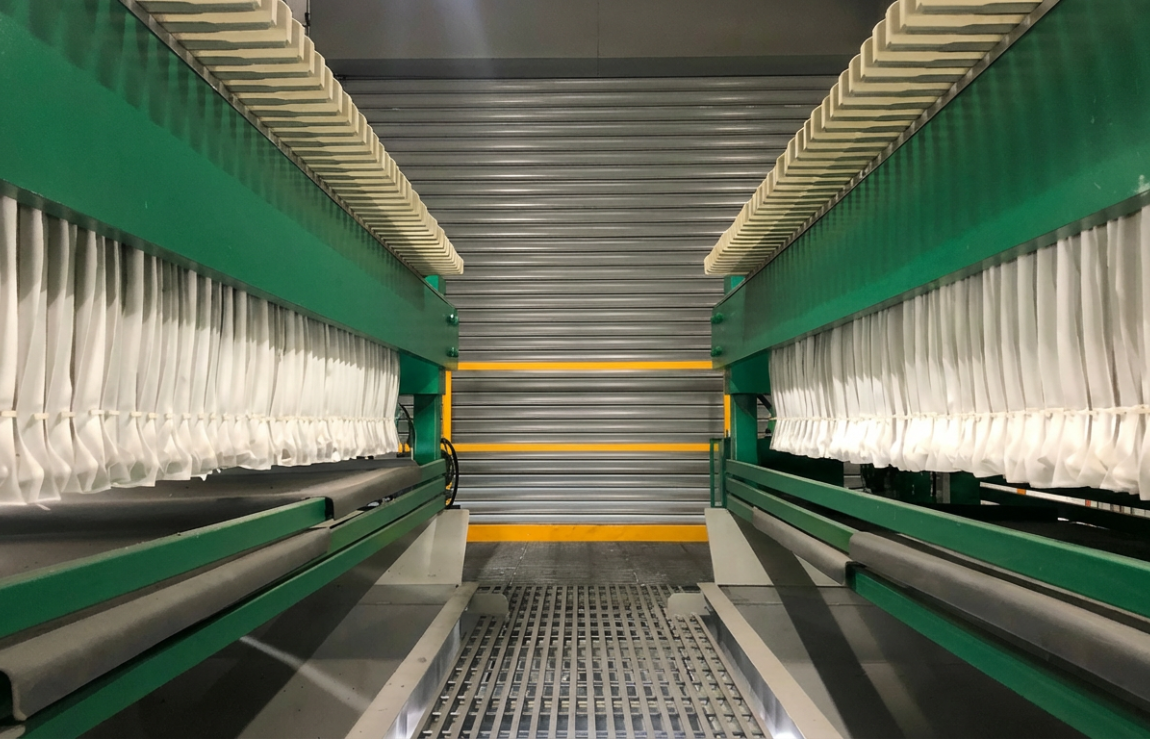
A manufacturing facility using a traditional filter press system faced persistent challenges: reliance on filter aid (like diatomaceous earth), safety risks, high operational expenses, labor-intensive changeouts, and inconsistent product quality due to downstream contamination and haze. The company sought a solution that would improve efficiency, reduce costs, and deliver a cleaner final product.
The Challenge:
-
 Operational Inefficiency: The filter press required significant setup and cleanup time, often taking hours per batch.
-
Safety & Contamination Risks: Use of filter aid introduced safety concerns and risked contaminating downstream processes.
-
Yield Loss: Product loss during changeouts and cleaning reduced overall yield.
-
Quality Issues: Haze and particulate contamination affected the clarity and quality of the final product.
-
Expense: Ongoing costs for filter aid and labor were substantial.
Solution
Strainrite’s team engaged the customer using a consultative sales process — qualifying the application with targeted questions about press size, number of plates, use of filter aid, batch times, yield loss, and quality goals; reviewing operational data (batch size, flow, pressure, temperature, viscosity) to ensure the right fit and performance; and assessing sizing and applications to recommend a proper housing solution tailored to the end-user process needs.
Strainrite recommended the MADD-MAXX MF and GF hybrid filter elements:
MF (Polypropylene Media): This element offers the ease and dirt-holding capacity of bag filtration with the high efficiency of cartridge filtration. Its inside-out flow design traps contaminants inside during changeout, minimizing downstream contamination. Made from 100% polypropylene, it ensures broad chemical compatibility and meets CFR 21 requirements for food and beverage contact.
GF (Micro-Glass Media): Strainrite’s MADD-MAXX GF filters are engineered for critical high purity applications, optimizing throughput while maintaining an absolute rated performance that is consistent and reliable. Our microglass filter elements feature a media structure with high surface area and increased void volume, as well as optimized pore size geometry.
Implementation Steps:
-
Test-fit kits ensured proper seal and fit in the customer’s existing housing.
-
Sample filters were provided for pilot testing and validation.
-
Move to a full-scale production, set scale and size.

Results
By replacing the traditional filter press with Strainrite MADD-MAXX hybrid filter elements, the customer achieved safer, faster, and more cost-effective filtration. The consultative approach ensured the solution was tailored to the facility’s unique needs, delivering measurable improvements in yield, quality, and operational efficiency.
Elimination of Filter Aid: No need for diatomaceous earth, reducing both cost and safety risks.
Reduced Batch Time: Example: Batch processing time dropped from 6 hours to 2 hours — a 66% reduction.
Labor Savings: Setup and cleanup time reduced from several hours to just 10 minutes, lowering operational costs.
Yield Increase: Actual results showed a 10–20% increase in product yield.
Cleaner Product: Elimination of haze and downstream contamination.
Higher Throughput: Increased flow rate and reduced downtime between batches.

Highlights
Elimination of Filter Aid:
No need for diatomaceous earth, reducing both cost and safety risks.
Reduced Batch Time:
Batch processing time dropped from 6 hours to 2 hours — a 66% reduction.
Labor Savings:
Setup and cleanup time reduced from several hours to just 10 minutes, lowering operational costs.
Cleaner Product:
Elimination of haze and downstream contamination for improved clarity and quality.

Commercial Impact:
Switching from the traditional filter press to MADD-MAXX hybrid elements delivered quantifiable gains in throughput, yield, and labor efficiency.
66% Reduction in Batch Time
Batch processing time dropped from 6 hours to 2 hours.
10–20% Yield Increase
Actual results showed a 10–20% increase in product yield.
10-Minute Changeouts
Setup and cleanup time reduced from several hours to just 10 minutes.
Request a Custom Filtration Quote
Get fast, expert guidance and custom quotes tailored to your filtration process.